








Basic Dent Removal and Refinishing - Part Three


Page 1


In this last article on basic dent removal and refinishing, we will apply the final finish. Once the panel has been paint prepped, it is now ready for the color coats. In this sample repair of a mini-truck right fender start by obtaining all the necessary materials...the paint and related reducers, hardeners and blending solvents.

Finish Coat Applied:

finish coat applied
Applying The Finish Coat:
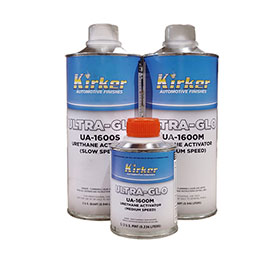
The panel is now fully prepped and is ready for the final finish. Visit your local refinish supply house and obtain enough paint for the job. For this job we bought a quart of paint. You can either color match it yourself with a tinting kit or you can have the refinish supplier match it for you. Give him a car part like the gas cap cover or a damaged panel that was replaced in the repair. In this case the color is a pastel (solid color...not a translucent or metallic color) and the paint used is acrylic enamel. When using acrylic enamel, obtain the proper hardener and reducer for the job. Hardener usually comes in pints and reducer is available in one gallon cans.

tip


Tip:
Make sure all the paint and related reducers, hardeners and blending solvents are compatible. Stick with the same brand name for the paint, hardener and reducer and, if possible, the blending reducer. Never mix lacquer with acrylic enamel. Check with your refinish supplier first.


Prepare The Adjacent
Panel For Blending:

When doing spot repairs such as this one (a spot repair is anything from a small spot to an entire panel...as opposed to a complete paint job), you can either blend the new finish into the existing finish or you can end the refinish at a line of definition such as the door gap. In this case we decided to do a blend.

To prepare for the blend you must thoroughly remove all the contaminants from the panel to be blended and use rubbing compound to remove all the surface oxidation. In addition, obtain a gallon of blending reducer from your local refinish supplier. Blending thinner is a mixture of slow reducers and clears so the thin blend coat flattens out and dries with a gloss.

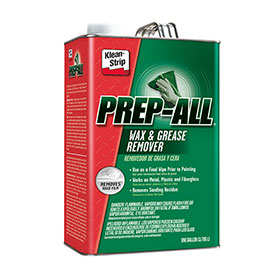
Start by washing the door with a silicone remover such as Prep-Sol™. Silicone is present in tire treatment products such as Armor-All™ and is an adhesion-killer.

Next use a high grade rubbing compound such as 3M 5955 and thoroughly rub out the entire door panel until all surface oxidation is removed.

tip


Tip:

Don’t buy cheapo rubbing compound for this job. Get the real thing at your local refinish supply house. Most professional body shops use 3M 5955. It comes in a plastic gallon container. It cuts very fast and leaves the panel perfectly prepared.


Mask The Surrounding Panels:

mask the surrounding panels
Mask the surrounding panels with masking paper or plastic sheet. Make sure you cover all openings where overspray can creep in.

Temporarily cover the door with masking tape and paper. This will be peeled off just before the last top coat so you can apply a small, thin band of wet paint to the door for blending.

Use wheel maskers to cover the wheels. This is the fastest, most convenient way to mask wheels.


tip


Tip:

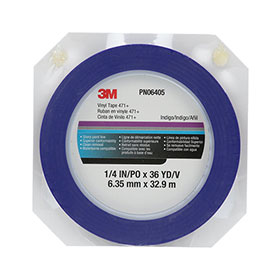
Don’t buy cheapo masking tape for this job. Get the real thing at your local refinish supply house. Use a high grade masking tape such as 3M 6334. It lays down around curves without bunching up or tearing, and it comes off easily without fighting and scraping off tape and adhesive.


Click here to continue to page 4.

Back
E-mail Us

Restorations Index
Shop Online