
- 1
- 2
- 3
- 4
- 5


Best Sellers


Auto Body Toolmart by US Auto Supply carries the best selection of auto body tools, shop supplies, car paint, & car lifts for any garage. Call today for all your body shop needs!
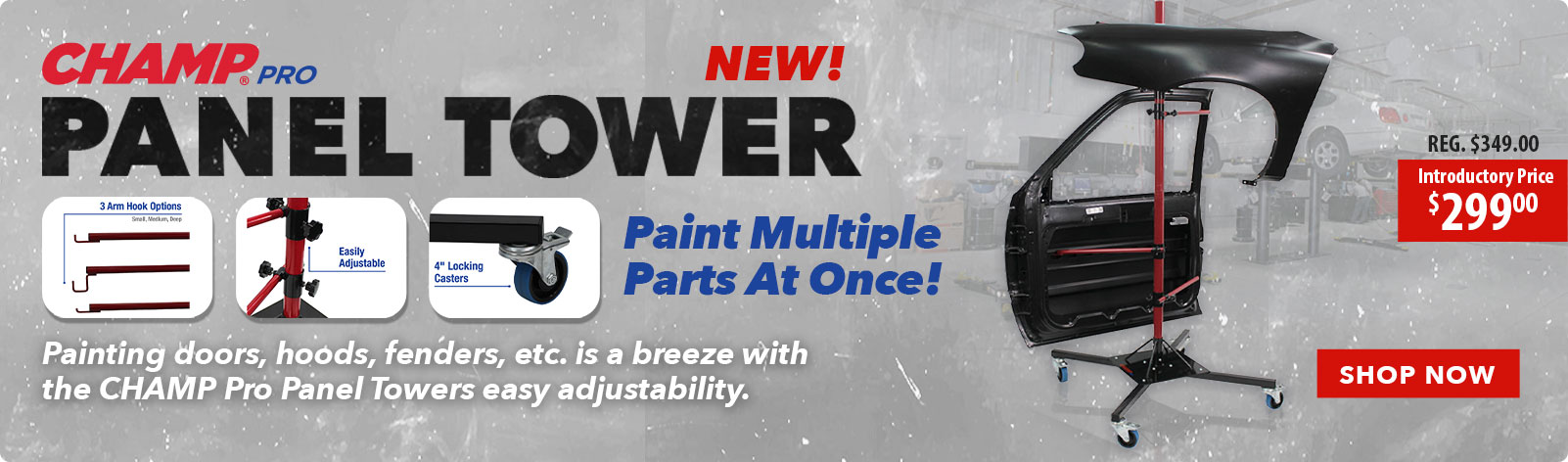
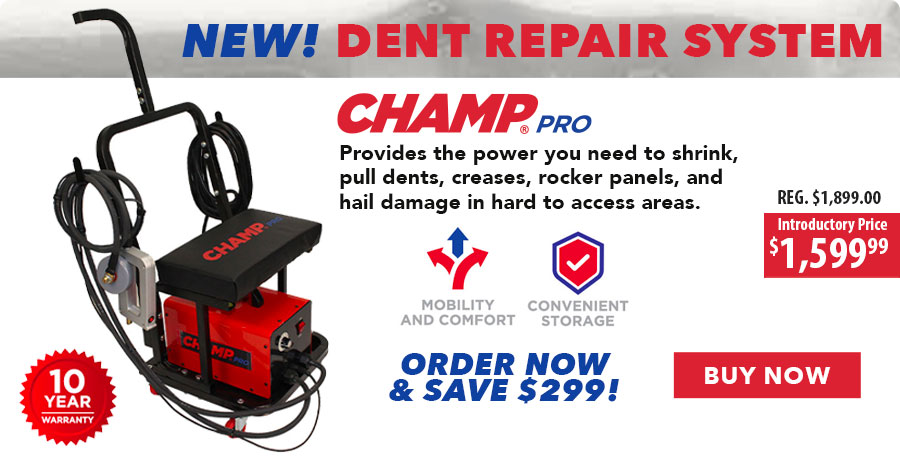
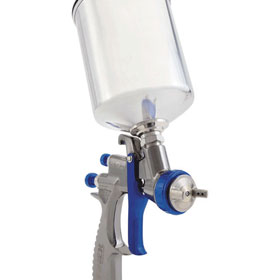
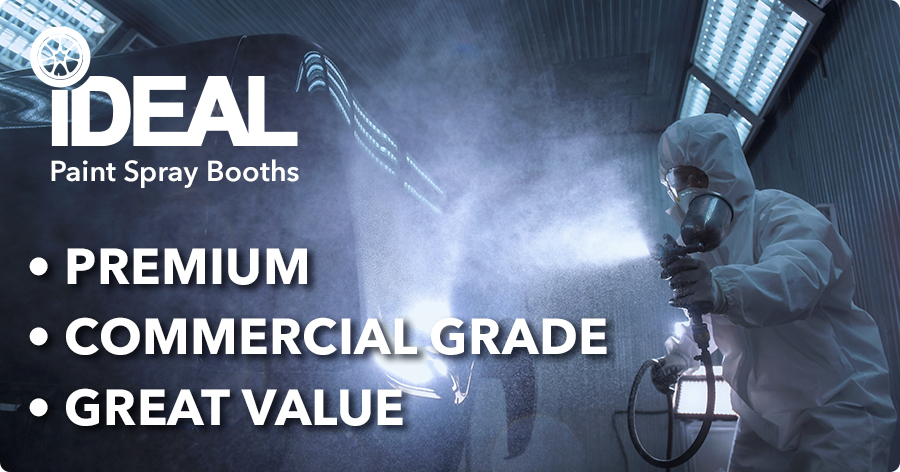
Auto Body Toolmart by US Auto Supply has been a leading supplier of automotive tools for more than 30 years. We carry a complete line of auto equipment, body shop supplies, paint booths, frame machines, car paint and more to meet the needs of any workshop or garage. Our large supply of automotive repair products for collision and general auto repair includes some of the highest quality spray guns, air tools and air compressors from companies such as SATA, DeVilbiss, Ingersoll Rand, 3M, Dupli-Color, Sherwin-Williams and Chicago Pneumatic. ABTM carries all the tools, products and materials to achieve a professional level result whether you are a 10-bay shop or a home restorer. We want our customers and their projects to be the best, and all that we sell is geared towards that quality of work. Our in-house brand called Champ Products, which specializes in auto body and frame straightening equipment, is the first of its kind made in the USA and is far superior to foreign brands.